
Crypto Arbitrage Trading in Ethiopia: Your 2026 Guide to Profit
Imagine spotting injera selling for 50 ETB in Addis Ababa and 75 ETB in Dire Dawa. You buy low in Addis and sell high in Dire Dawa, pocketing the difference. Crypto arbitrage is similar, but with digital currencies. It involves exploiting price discrepancies of cryptocurrencies across different exchanges to make a profit. This guide is specifically tailored for Ethiopia, focusing on local opportunities and regulations in 2026.

Key Takeaways
- Crypto arbitrage involves exploiting price differences across exchanges.
- Ethiopia presents unique arbitrage opportunities due to market inefficiencies.
- Understanding local regulations is crucial for successful arbitrage trading.
- Risk management is paramount to protect your capital.
- Choose the right exchanges and tools to maximize your profits.
Understanding Crypto Arbitrage
What is Crypto Arbitrage?
Crypto arbitrage is the process of buying a cryptocurrency on one exchange where it's priced lower and simultaneously selling it on another exchange where it's priced higher. The profit comes from the difference in price between the two exchanges. For example, Bitcoin might be trading at 6,000,000 ETB on one exchange and 6,050,000 ETB on another. An arbitrageur would buy on the first exchange and sell on the second, making a profit of 50,000 ETB (minus fees).
Types of Crypto Arbitrage
- Spatial Arbitrage: Exploiting price differences between different exchanges.
- Triangular Arbitrage: Taking advantage of price discrepancies between three different cryptocurrencies on the same exchange.
- Statistical Arbitrage: Using algorithms to identify and execute arbitrage opportunities based on statistical models.
Crypto Arbitrage Opportunities in Ethiopia
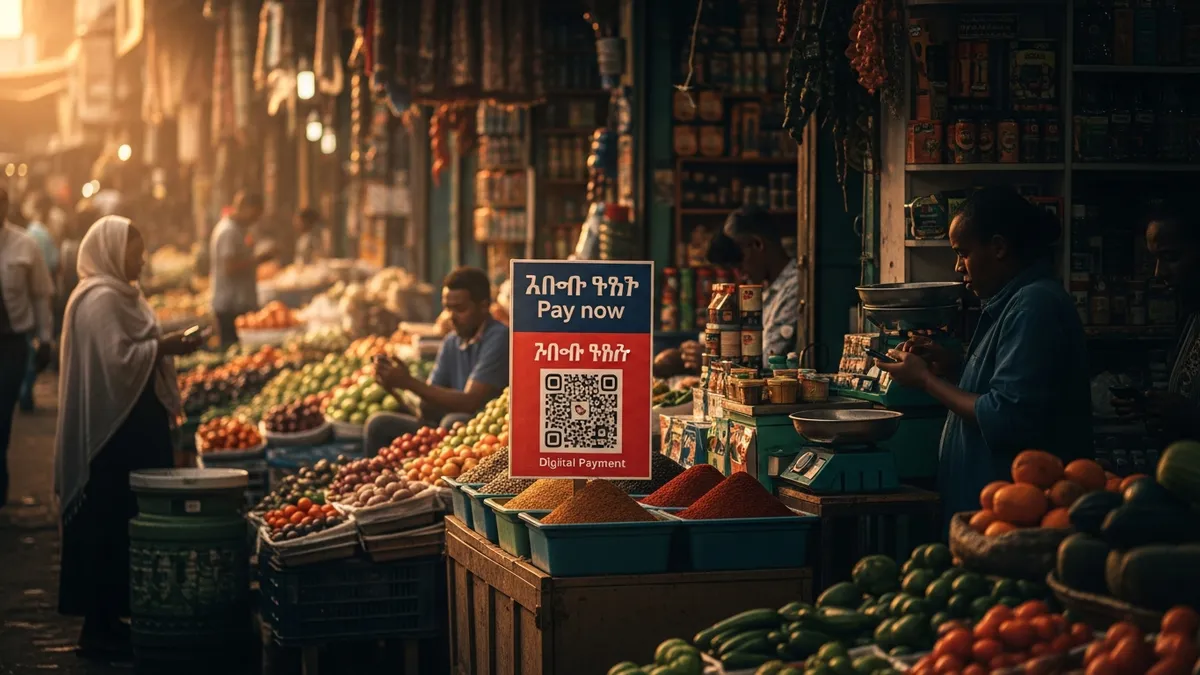
Ethiopia's developing financial market and regulatory landscape create unique arbitrage opportunities. Limited access to international exchanges and varying levels of adoption can lead to price discrepancies. However, it's crucial to remember that the regulatory environment is still evolving. It is important to consult with a financial advisor before engaging in crypto arbitrage, as with any investment strategy.
Local Exchanges and Platforms
While international exchanges are accessible, local platforms are emerging. These can sometimes offer unique pricing due to lower liquidity or local demand. Keep an eye on any new developments in the Ethiopian cryptocurrency space.
- Local Exchange A: A hypothetical Ethiopian exchange (consider researching actual examples if available).
- Local Exchange B: Another hypothetical exchange operating in Ethiopia.
Price Discrepancies
Price differences can arise due to several factors:
- Liquidity: Lower trading volumes on some exchanges can lead to larger price swings.
- Transaction Fees: Varying fees can impact the profitability of arbitrage trades.
- Regulatory Uncertainty: Ambiguity in regulations can create market volatility.
How to Get Started with Crypto Arbitrage in Ethiopia
Step 1: Research and Education
Before diving in, educate yourself thoroughly. Understand the basics of cryptocurrency trading, arbitrage strategies, and the Ethiopian regulatory environment. Follow crypto news specific to Africa.
Step 2: Choose Your Exchanges
Select exchanges that are reputable, secure, and offer reasonable fees. Consider both local and international exchanges. Check their trading volumes and the cryptocurrencies they offer.
Step 3: Fund Your Accounts
Deposit funds into your chosen exchanges. Be aware of deposit and withdrawal fees, as well as any limitations imposed by the exchanges or Ethiopian regulations. You may need to use a bank transfer.
Step 4: Identify Arbitrage Opportunities
Use tools and platforms to monitor price differences across exchanges. Look for opportunities where the price difference exceeds the transaction fees and your desired profit margin.
Step 5: Execute Your Trades
Quickly execute your buy and sell orders on the respective exchanges. Time is of the essence in arbitrage trading. Use limit orders to ensure you get the price you want.
Step 6: Manage Your Risk
Implement risk management strategies to protect your capital. Set stop-loss orders to limit potential losses. Diversify your trades and don't put all your eggs in one basket.
Tools and Platforms for Crypto Arbitrage
Several tools can help you identify and execute arbitrage trades more efficiently.
- Crypto Arbitrage Scanners: These tools monitor price differences across multiple exchanges in real-time.
- Trading Bots: Automated trading bots can execute trades based on pre-defined parameters.
- Portfolio Management Tools: These tools help you track your portfolio and manage your risk.
Risks and Challenges of Crypto Arbitrage in Ethiopia
Crypto arbitrage is not without its risks. Be aware of the following challenges:
- Transaction Fees: Fees can eat into your profits, especially on smaller trades.
- Slippage: The price of a cryptocurrency can change between the time you place your order and the time it's executed.
- Exchange Risks: Exchanges can be hacked or go bankrupt, potentially losing your funds.
- Regulatory Risks: Changes in Ethiopian regulations could impact your ability to trade cryptocurrencies.
- Market Volatility: Sudden price swings can wipe out your profits or even lead to losses.
Regulatory Considerations
The regulatory landscape for cryptocurrencies in Ethiopia is still developing. As of 2026, there may be specific regulations or restrictions on cryptocurrency trading. Stay informed about any changes in the legal framework.
Example Arbitrage Scenario in Ethiopia
Let's say Bitcoin is trading at 6,000,000 ETB on Exchange A and 6,050,000 ETB on Exchange B.
- You buy 0.1 BTC on Exchange A for 600,000 ETB.
- You simultaneously sell 0.1 BTC on Exchange B for 605,000 ETB.
- Your gross profit is 5,000 ETB.
- After deducting transaction fees (e.g., 500 ETB), your net profit is 4,500 ETB.
This is a simplified example. Real-world arbitrage trades may involve more complex calculations and risks.
Choosing the Right Crypto Exchanges in Ethiopia
Selecting the right crypto exchanges is a critical step for successful arbitrage trading in Ethiopia. Here's what to consider:
- Reputation and Security: Opt for well-established exchanges with robust security measures to protect your funds.
- Liquidity: Choose exchanges with high trading volumes to ensure quick order execution and minimal slippage.
- Fees: Compare transaction fees, deposit fees, and withdrawal fees across different exchanges.
- Cryptocurrency Selection: Select exchanges that offer a wide range of cryptocurrencies, including those with arbitrage potential.
- Payment Methods: Ensure the exchange supports payment methods that are convenient and accessible in Ethiopia, such as bank transfers or mobile money.
- Customer Support: Look for exchanges with responsive and helpful customer support in case you encounter any issues.
| Exchange | Reputation | Fees (Maker/Taker) | ETB Support |
|---|---|---|---|
| Binance | High | 0.1%/0.1% | No |
| Coinbase | High | 0.5%/0.5% | No |
| Local Exchange A (Hypothetical) | Medium | 0.2%/0.3% | Yes |
Risk Management Strategies for Ethiopian Traders
Effective risk management is essential to protect your capital and ensure long-term profitability in crypto arbitrage trading. Here are some key strategies for Ethiopian traders:
- Position Sizing: Determine the appropriate amount of capital to allocate to each trade based on your risk tolerance and account size.
- Stop-Loss Orders: Set stop-loss orders to automatically exit a trade if the price moves against you, limiting potential losses.
- Diversification: Spread your capital across multiple arbitrage opportunities and cryptocurrencies to reduce the impact of any single trade.
- Hedging: Use hedging strategies to offset potential losses in one market by taking a position in a related market.
- Stay Informed: Keep up-to-date with market news, regulatory changes, and exchange developments that could impact your trading.
- Start Small: Begin with small trades to gain experience and refine your strategy before risking larger amounts of capital.
Tax Implications of Crypto Arbitrage in Ethiopia
Understanding the tax implications of crypto arbitrage trading is crucial for compliance with Ethiopian tax laws. As of 2026, the specific tax treatment of cryptocurrencies may not be clearly defined. It's advisable to consult with a tax professional to determine your tax obligations.
Generally, profits from arbitrage trading may be subject to income tax or capital gains tax. Keep accurate records of your trades, including the purchase price, sale price, and any associated fees. This will help you calculate your taxable income accurately.
Be aware of any reporting requirements for cryptocurrency transactions. Failure to comply with tax laws can result in penalties.
The Future of Crypto Arbitrage in Ethiopia
The future of crypto arbitrage in Ethiopia depends on several factors, including the regulatory environment, the adoption of cryptocurrencies, and the development of local exchanges. As the market matures, arbitrage opportunities may become less frequent and more competitive.
However, Ethiopia's growing economy and increasing internet penetration could drive further adoption of cryptocurrencies, creating new opportunities for arbitrage traders. Staying informed about market trends and regulatory developments will be crucial for success.
| Factor | Impact on Arbitrage |
|---|---|
| Regulation | Clear regulations can reduce uncertainty but may also limit opportunities. |
| Adoption | Increased adoption can lead to higher liquidity and more efficient markets. |
| Local Exchanges | The development of local exchanges can create new arbitrage opportunities but also increase competition. |
Conclusion
Crypto arbitrage in Ethiopia presents a unique opportunity for profit, but it also comes with risks and challenges. By understanding the market, implementing risk management strategies, and staying informed about regulations, you can increase your chances of success. Remember that the regulatory environment is still evolving, so it's important to stay up-to-date on any changes. It is important to consult with a financial advisor before engaging in crypto arbitrage, as with any investment strategy.
FAQ
Is crypto arbitrage legal in Ethiopia?
The legal status of crypto arbitrage in Ethiopia is currently unclear. Regulations are still developing, so it's essential to stay informed about any updates. It's always a good idea to consult with a legal professional to ensure you're complying with all applicable laws.
What are the best crypto exchanges for arbitrage in Ethiopia?
Consider both international exchanges like Binance and Coinbase, as well as any emerging local exchanges. Look for exchanges with high liquidity, low fees, and a wide range of cryptocurrencies. Keep in mind that not all international exchanges support ETB directly.
How much capital do I need to start crypto arbitrage in Ethiopia?
The amount of capital you need depends on your risk tolerance and the arbitrage opportunities you're pursuing. Starting with a smaller amount allows you to learn the ropes and refine your strategy before risking larger sums. Some exchanges allow trades with as little as $10 or $20 equivalent in crypto.
What are the tax implications of crypto arbitrage in Ethiopia?
The tax treatment of crypto arbitrage profits in Ethiopia is currently uncertain. It's advisable to consult with a tax professional to determine your tax obligations. Keep detailed records of all your trades to accurately calculate your taxable income.
What are the risks of crypto arbitrage?
Risks include transaction fees, slippage, exchange risks, regulatory risks, and market volatility. Implement risk management strategies, such as stop-loss orders and diversification, to protect your capital. Always do your research and never invest more than you can afford to lose. Learn about Bitcoin mining.
It is important to consult with a financial advisor before engaging in crypto arbitrage, as with any investment strategy. Here is a link to a reliable source: Wikipedia.