
Key Takeaways
- White label crypto exchanges offer a faster and more cost-effective way to launch a crypto business in Kenya.
- Understanding Kenyan regulations and compliance is crucial for a successful crypto exchange.
- Integrating popular mobile money platforms like M-Pesa is essential for user adoption.
- Choosing the right white label provider is key to ensuring a secure and reliable platform.
- Marketing and community building are vital for attracting users and growing your exchange in Kenya.
Kenya has emerged as a vibrant hub for cryptocurrency adoption in Africa. With a significant portion of the population unbanked, digital currencies offer a compelling alternative for financial inclusion. In fact, a recent survey indicated that nearly 8.5% of Kenyans own or use cryptocurrencies, showcasing a strong interest in this emerging asset class.
Are you looking to capitalize on the growing demand for cryptocurrency in Kenya? Launching your own crypto exchange might seem daunting, but a white label crypto exchange provides a fast and efficient solution. This guide will walk you through everything you need to know to launch a thriving crypto business in Kenya in 2026 using a white label solution.
What is a White Label Crypto Exchange?
A white label crypto exchange is a pre-built, ready-to-deploy cryptocurrency exchange platform that you can rebrand with your own logo, colors, and branding. Think of it as a franchise for the crypto world. Instead of building an exchange from scratch, which can be time-consuming and expensive, you license a proven platform and customize it to your specific needs.
Here's why it's a game-changer:
- Faster Time to Market: Launch your exchange in weeks instead of months or years.
- Cost-Effective: Significantly lower development costs compared to building from the ground up.
- Proven Technology: Benefit from a platform that has already been tested and refined.
- Focus on Your Brand: Concentrate on marketing and customer acquisition.

Why Kenya is Ripe for Crypto Exchanges in 2026
Kenya presents a unique and compelling opportunity for crypto exchanges. Several factors contribute to this favorable environment:
- High Mobile Penetration: Kenya boasts a high mobile phone penetration rate, making it easy for people to access and use crypto exchanges.
- Mobile Money Adoption: Mobile money platforms like M-Pesa are widely used, providing a seamless way to deposit and withdraw funds.
- Growing Crypto Awareness: There's increasing awareness and interest in cryptocurrency among Kenyans.
- Supportive Regulatory Environment: The Kenyan government is taking a measured approach to regulating cryptocurrency, which provides a degree of certainty for businesses.
However, it's crucial to stay updated on the latest regulations from the Central Bank of Kenya and other relevant authorities.
The Role of M-Pesa and Mobile Money
M-Pesa has revolutionized financial transactions in Kenya. Integrating M-Pesa and other mobile money platforms into your crypto exchange is crucial for success. It allows users to easily buy and sell cryptocurrency using their mobile phones, making it accessible to a wider audience.
Consider these advantages:
- Convenience: Users can transact directly from their mobile money accounts.
- Accessibility: Reaches a large segment of the population, especially those without bank accounts.
- Faster Transactions: Mobile money transactions are typically faster than traditional bank transfers.
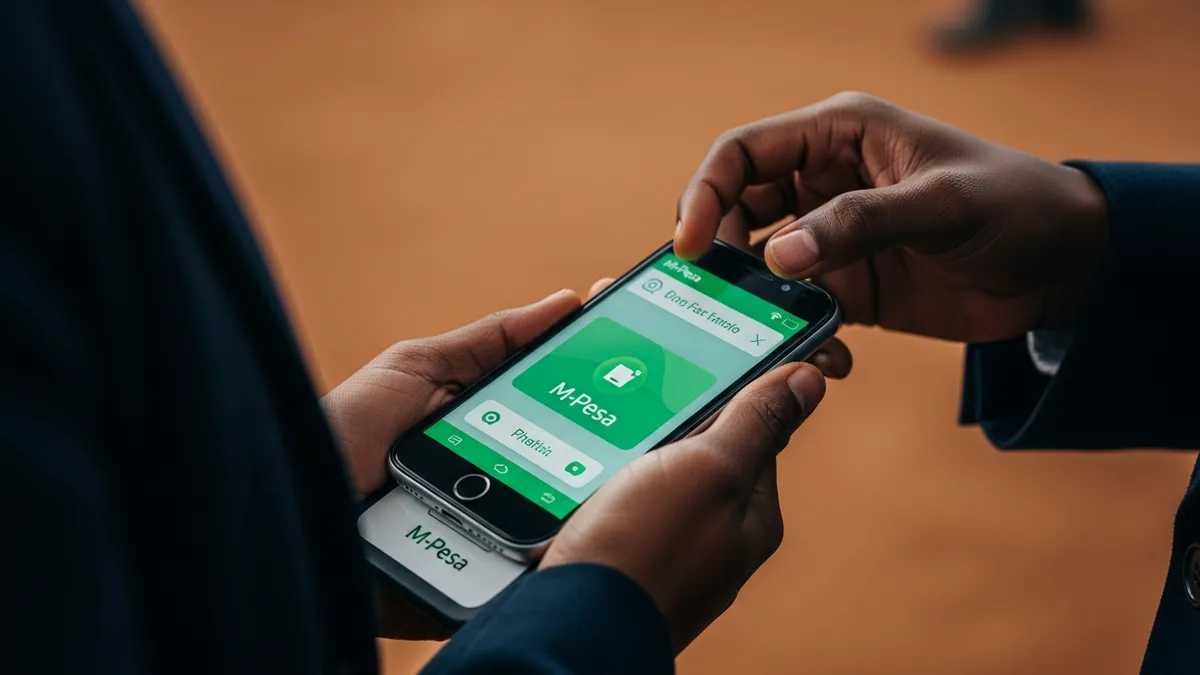
Here's a comparison of transaction fees for different payment methods in Kenya:
| Payment Method | Transaction Fee (Approximate) |
|---|---|
| M-Pesa | 0.5% - 1.0% |
| Bank Transfer | KES 50 - KES 200 |
| Credit/Debit Card | 1.5% - 3.5% |
Key Features to Look for in a White Label Crypto Exchange
When choosing a white label crypto exchange provider, consider these essential features:
- Security: Robust security measures to protect user funds and data. Look for features like two-factor authentication (2FA), cold storage, and regular security audits.
- Liquidity: Access to sufficient liquidity to ensure smooth trading and prevent price slippage.
- User-Friendly Interface: An intuitive and easy-to-use interface that caters to both beginners and experienced traders.
- Mobile App: A mobile app for iOS and Android devices, allowing users to trade on the go.
- Customer Support: Reliable and responsive customer support to address user queries and issues.
- Compliance: Adherence to all relevant Kenyan regulations and compliance standards.
- M-Pesa Integration: Seamless integration with M-Pesa and other popular mobile money platforms in Kenya.
- Trading Pairs: Support for popular trading pairs like BTC/KES, ETH/KES, and USDT/KES.
Essential Security Measures
Security is paramount in the crypto world. Your white label solution should offer:
- Two-Factor Authentication (2FA): Adds an extra layer of security by requiring users to provide two forms of identification.
- Cold Storage: Storing a significant portion of user funds offline, away from potential hackers.
- Regular Security Audits: Independent security audits to identify and address vulnerabilities.
- Encryption: Encrypting sensitive data to prevent unauthorized access.
Navigating Kenyan Crypto Regulations
The regulatory landscape for cryptocurrency in Kenya is still evolving. While there isn't a comprehensive legal framework specifically for crypto, the Central Bank of Kenya has issued warnings about the risks associated with digital currencies. It's crucial to stay informed about the latest regulatory developments and ensure that your exchange complies with all applicable laws and regulations.
Here are some key considerations:
- Anti-Money Laundering (AML): Implement robust AML procedures to prevent money laundering and terrorist financing.
- Know Your Customer (KYC): Verify the identity of your users to comply with KYC regulations.
- Data Protection: Protect user data in accordance with Kenyan data protection laws.
Consult with legal experts specializing in cryptocurrency regulations in Kenya to ensure full compliance.
Cost Considerations for Launching a White Label Exchange
The cost of launching a white label crypto exchange in Kenya varies depending on the provider and the features you require. However, it's generally significantly cheaper than building an exchange from scratch.
Here's a breakdown of potential costs:
- Licensing Fee: The initial fee to license the white label platform.
- Customization Costs: Costs associated with customizing the platform to your brand and specific needs.
- Hosting and Maintenance Fees: Ongoing fees for hosting and maintaining the platform.
- Marketing and Advertising Costs: Costs associated with promoting your exchange and attracting users.
- Compliance Costs: Costs associated with complying with Kenyan regulations.
Here's a sample cost comparison between building a crypto exchange from scratch and using a white label solution:
| Expense | Building from Scratch | White Label Solution |
|---|---|---|
| Development Costs | KES 5,000,000 - KES 20,000,000 | KES 1,000,000 - KES 5,000,000 |
| Time to Market | 12-24 Months | 1-3 Months |
| Maintenance | Ongoing | Included in Fees |
Marketing Your Crypto Exchange in Kenya
Once your exchange is launched, you need to attract users. Effective marketing is crucial for success.
Consider these strategies:
- Social Media Marketing: Use social media platforms like Facebook, Twitter, and Instagram to reach your target audience.
- Content Marketing: Create informative and engaging content about cryptocurrency and your exchange.
- Partnerships: Partner with local businesses and influencers to promote your exchange.
- Community Building: Build a strong community around your exchange by hosting events and engaging with users online.
- Referral programs: Encourage users to invite their friends by offering incentives for successful referrals.
Focus on educating Kenyans about the benefits of cryptocurrency and how your exchange can help them participate in the digital economy. Highlight the ease of use, security, and integration with M-Pesa. Cryptocurrency regulation is also an important topic to address.
Choosing the Right White Label Provider
Selecting the right white label provider is crucial. Do your research and compare different providers based on these factors:
- Reputation: Choose a provider with a proven track record and positive reviews.
- Features: Ensure the platform offers all the features you need, including security, liquidity, and M-Pesa integration.
- Customization Options: Look for a provider that allows you to customize the platform to your brand and specific requirements.
- Pricing: Compare the pricing models of different providers and choose one that fits your budget.
- Support: Ensure the provider offers reliable and responsive customer support.
Don't be afraid to ask for a demo and test the platform before making a decision.
Before you start, consider the blockchain technology involved in your exchange.
Future Trends in Crypto Exchanges in Kenya
The crypto landscape is constantly evolving. Here are some trends to watch out for in Kenya:
- DeFi Integration: Integrating decentralized finance (DeFi) protocols into your exchange.
- NFT Trading: Supporting the trading of non-fungible tokens (NFTs).
- Increased Regulation: Expect more comprehensive regulations for cryptocurrency in Kenya in the coming years.
- Mobile-First Approach: Focus on providing a seamless mobile experience for users.
Staying ahead of these trends will help you maintain a competitive edge in the Kenyan crypto market.
Conclusion
Launching a white label crypto exchange in Kenya in 2026 presents a significant opportunity to tap into the growing demand for digital currencies. By choosing the right provider, understanding the regulatory landscape, and implementing effective marketing strategies, you can build a thriving crypto business that empowers Kenyans to participate in the digital economy. Kenya is a promising market, so it is important to understand digital assets before you start.
Remember to prioritize security, compliance, and user experience. And most importantly, focus on educating Kenyans about the benefits of cryptocurrency and how your exchange can help them achieve their financial goals.
FAQ
What are the key regulatory requirements for operating a crypto exchange in Kenya?
Currently, there isn't a comprehensive legal framework specifically for crypto exchanges in Kenya. However, you need to comply with existing regulations related to anti-money laundering (AML), know your customer (KYC), and data protection. Consult with legal experts to ensure full compliance.
How important is M-Pesa integration for a crypto exchange in Kenya?
M-Pesa integration is crucial for success. It allows users to easily deposit and withdraw funds using their mobile phones, making your exchange accessible to a wider audience, especially those without bank accounts. M-Pesa is a dominant force in Kenya's financial landscape, with millions relying on it for daily transactions. Learn more about M-Pesa.
What are the main challenges of launching a crypto exchange in Kenya?
Some of the main challenges include navigating the evolving regulatory landscape, building trust with users, and competing with established players. Additionally, educating the public about cryptocurrency and addressing security concerns are crucial.
How much capital do I need to start a white label crypto exchange in Kenya?
The amount of capital you need varies depending on the white label provider, the features you require, and your marketing budget. However, it's generally significantly cheaper than building an exchange from scratch. Expect to spend anywhere from KES 1,000,000 to KES 5,000,000 initially.
What are the most popular cryptocurrencies traded in Kenya?
Bitcoin (BTC) is the most popular cryptocurrency in Kenya, followed by Ethereum (ETH) and Tether (USDT). Offering trading pairs for these cryptocurrencies is essential. Learn more about Bitcoin.