
Key Takeaways
- White label crypto exchanges offer a faster and more affordable way to enter the Tanzanian cryptocurrency market.
- Understanding local regulations and partnering with compliant providers is crucial for success.
- Mobile money integration is essential for reaching a wider audience in Tanzania.
- The cost of launching a white label exchange can vary significantly depending on features and customization.
- Marketing and community building are key to attracting users and establishing your exchange in Tanzania.
In Tanzania, the adoption of mobile money services like M-Pesa and Tigo Pesa has paved the way for increased interest in digital currencies. As of 2023, over 65% of Tanzanians use mobile money, indicating a strong potential market for cryptocurrency adoption. This makes 2026 an ideal time to launch a white label crypto exchange tailored to the local market.
For more information on White Label Crypto Exchange: Launch in Tanzania, 2026! in Tanzania, visit this recommended local resource.
What is a White Label Crypto Exchange?
A white label crypto exchange is a pre-built platform that allows you to launch your own cryptocurrency exchange quickly and cost-effectively. Instead of developing an exchange from scratch, you can customize a ready-made solution with your branding, features, and supported cryptocurrencies.
Think of it as buying a pre-fabricated house versus building one yourself. You get a functional structure that you can personalize to your liking, saving time and resources.
Why Launch a Crypto Exchange in Tanzania?
Tanzania presents a unique opportunity for crypto exchange operators due to several factors:
- Growing Mobile Money Adoption: As mentioned earlier, the widespread use of mobile money creates a natural entry point for cryptocurrency adoption.
- Increasing Internet Penetration: With internet access expanding, more Tanzanians are becoming familiar with online financial services.
- Demand for Alternative Investments: Cryptocurrencies offer an alternative investment option for Tanzanians seeking to diversify their portfolios.
- Potential for Cross-Border Payments: Cryptocurrencies can facilitate faster and cheaper cross-border payments, benefiting businesses and individuals involved in international trade.
However, it's important to acknowledge the risks. The Bank of Tanzania has issued warnings about the volatility and risks associated with cryptocurrencies. Therefore, education and responsible trading practices are crucial.
Steps to Launching a White Label Crypto Exchange in Tanzania
1. Market Research and Planning
Before diving in, conduct thorough market research to understand the specific needs and preferences of Tanzanian users. Identify your target audience, analyze the competitive landscape, and determine which cryptocurrencies to support.
2. Choose a White Label Provider
Select a reputable white label provider that offers a platform suitable for the Tanzanian market. Consider factors such as:
- Security: Ensure the platform has robust security measures to protect user funds and data.
- Features: Look for features like mobile money integration, multi-language support (including Swahili), and KYC/AML compliance.
- Customization: Choose a provider that allows you to customize the platform to match your brand and target audience.
- Support: Opt for a provider that offers reliable technical support and training.
Some popular white label crypto exchange providers include AlphaPoint and HollaEx. Research and compare different options to find the best fit for your needs and budget.
3. Legal and Regulatory Compliance
Navigating the legal and regulatory landscape is crucial for operating a crypto exchange in Tanzania. Consult with legal experts to ensure compliance with relevant laws and regulations, including:
- Anti-Money Laundering (AML) regulations
- Know Your Customer (KYC) requirements
- Data privacy laws
- Financial services regulations
Partnering with a provider that offers built-in KYC/AML compliance tools can simplify this process.
4. Platform Customization and Branding
Customize the white label platform with your branding, including your logo, color scheme, and website design. Tailor the user interface to appeal to Tanzanian users and ensure a seamless user experience.
5. Payment Gateway Integration
Integrate popular payment gateways to allow users to deposit and withdraw funds easily. In Tanzania, it is crucial to integrate with mobile money providers like M-Pesa, Tigo Pesa, and Airtel Money.
6. Security Measures
Implement robust security measures to protect user funds and data. This includes:
- Two-factor authentication (2FA)
- Cold storage for cryptocurrency holdings
- Regular security audits
- Encryption of sensitive data
7. Testing and Launch
Thoroughly test the platform before launching it to the public. Conduct user acceptance testing (UAT) to identify and fix any bugs or usability issues.
8. Marketing and Promotion
Develop a comprehensive marketing strategy to attract users to your exchange. This may include:
- Social media marketing
- Search engine optimization (SEO)
- Content marketing
- Partnerships with local businesses
- Referral programs
9. Customer Support
Provide excellent customer support to address user inquiries and resolve any issues. Offer support through multiple channels, such as email, phone, and live chat.
Costs Associated with Launching a White Label Crypto Exchange
The cost of launching a white label crypto exchange can vary significantly depending on the provider, features, and customization requirements. Here's a breakdown of the typical costs involved:
- Platform setup fee: This is a one-time fee charged by the white label provider.
- Monthly licensing fee: This is a recurring fee for using the platform.
- Customization costs: These costs depend on the extent of customization required.
- Payment gateway integration fees: These fees are charged by the payment gateway providers.
- Marketing and promotion costs: These costs depend on your marketing strategy.
- Legal and compliance costs: These costs include legal consultation and compliance tools.
Here's an estimated cost breakdown:
| Cost Item | Estimated Cost (TZS) |
|---|---|
| Platform Setup Fee | 23,000,000 - 115,000,000 |
| Monthly Licensing Fee | 2,300,000 - 11,500,000 |
| Customization Costs | Varies |
| Payment Gateway Integration Fees | Varies |
| Marketing & Promotion | Varies |
| Legal & Compliance | Varies |
Note: These are just estimates. The actual costs may vary depending on your specific requirements.

Key Features to Include in Your Tanzanian Crypto Exchange
To succeed in the Tanzanian market, your crypto exchange should offer the following key features:
- Mobile Money Integration: Integrate with M-Pesa, Tigo Pesa, and Airtel Money to enable seamless deposits and withdrawals.
- Swahili Language Support: Offer the platform in Swahili to cater to a wider audience.
- User-Friendly Interface: Design a simple and intuitive interface that is easy to use for both beginners and experienced traders.
- Local Currency Support (TZS): Support trading pairs with the Tanzanian Shilling (TZS).
- Educational Resources: Provide educational resources to help users understand cryptocurrencies and how to trade them safely.
Choosing the Right White Label Provider
Selecting the right provider is paramount. Here's a comparison of potential options:
| Provider | Key Features | Pricing |
|---|---|---|
| AlphaPoint | Advanced trading features, institutional-grade security, customizable UI | Varies based on customization |
| HollaEx | Easy-to-use interface, fast deployment, built-in wallet | Subscription-based |
| B2Broker | Liquidity solutions, CRM integration, wide range of trading tools | Custom pricing |
Always conduct thorough due diligence before committing to a provider.
Marketing Your Crypto Exchange in Tanzania
Effective marketing is crucial for attracting users to your new exchange. Consider these strategies:
- Targeted Social Media Campaigns: Run targeted ads on platforms like Facebook and Instagram to reach potential users in Tanzania.
- Influencer Marketing: Partner with local influencers to promote your exchange to their followers.
- Content Marketing: Create informative content about cryptocurrencies and trading to educate potential users.
- Community Building: Build a strong online community around your exchange to foster engagement and loyalty.
The Future of Crypto in Tanzania
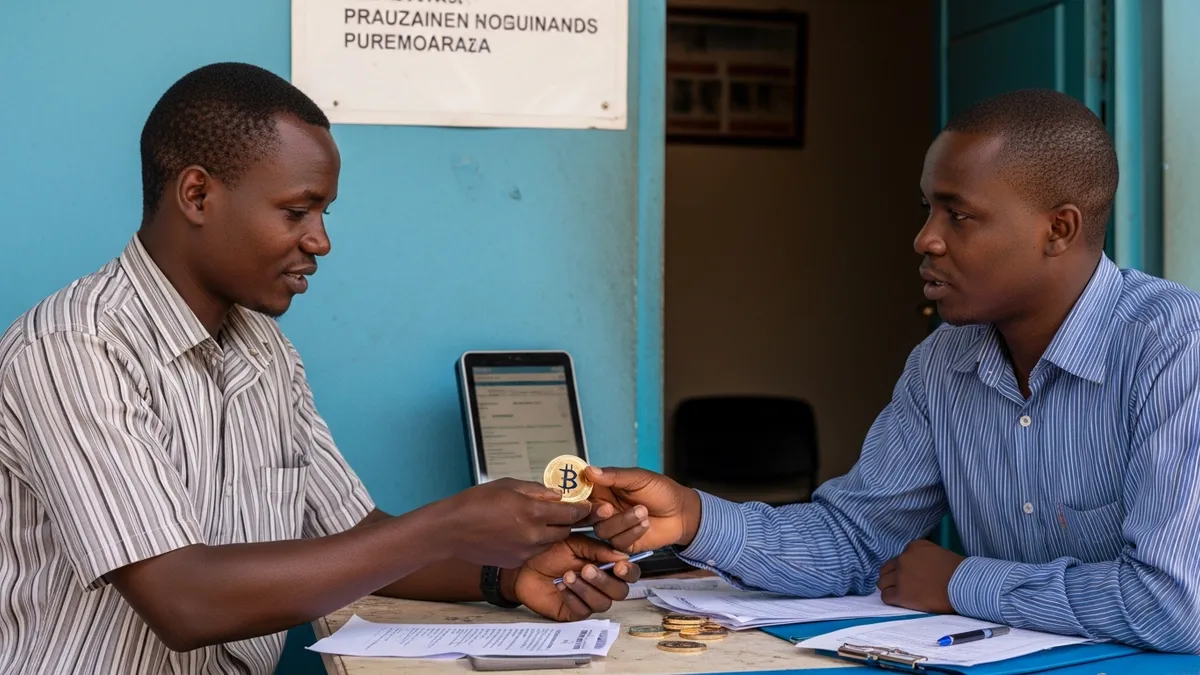
The future of cryptocurrency in Tanzania is promising, driven by increasing mobile money adoption, internet penetration, and demand for alternative investments. However, it is essential to navigate the regulatory landscape and prioritize security and user education.
“The Bank of Tanzania is closely monitoring the development of cryptocurrencies and will take appropriate measures to protect consumers and maintain financial stability,” says Dr. Yamungu Kayandabila, Deputy Governor of the Bank of Tanzania. [https://www.bot.go.tz/]
By launching a well-designed and compliant white label crypto exchange, you can capitalize on this growing market and contribute to the development of the digital economy in Tanzania. Always comply with the Bank of Tanzania regulations. You can read more about blockchain technology on Wikipedia. [https://www.wikipedia.org/]
FAQ
1. Is cryptocurrency legal in Tanzania?
The legal status of cryptocurrency in Tanzania is still evolving. The Bank of Tanzania has issued warnings about the risks associated with cryptocurrencies but has not explicitly banned them. It's crucial to stay updated on the latest regulations.
2. What are the most popular mobile money services in Tanzania?
The most popular mobile money services in Tanzania are M-Pesa, Tigo Pesa, and Airtel Money. Integrating with these services is essential for reaching a wider audience.
3. How much does it cost to launch a white label crypto exchange in Tanzania?
The cost can vary significantly depending on the provider and features. Expect to invest at least TZS 23,000,000 to TZS 115,000,000 for the platform setup fee, plus ongoing monthly licensing fees and customization costs.
4. What security measures should I implement to protect my exchange?
Implement two-factor authentication (2FA), cold storage for cryptocurrency holdings, regular security audits, and encryption of sensitive data.
5. How can I market my crypto exchange in Tanzania?
Use targeted social media campaigns, influencer marketing, content marketing, and community building to attract users.
Conclusion
Launching a white label crypto exchange in Tanzania in 2026 presents a compelling opportunity. By understanding the local market, navigating the regulatory landscape, and providing a user-friendly platform, you can position yourself for success in this rapidly growing industry. Remember to prioritize security, compliance, and customer support to build trust and establish a sustainable business.