
Key Takeaways
- Launching a crypto exchange in Uganda in 2026 requires navigating evolving regulations and technological infrastructure challenges.
- Understanding the Ugandan financial landscape, including mobile money integration, is crucial for success.
- Building trust and educating the local population about cryptocurrency are essential for adoption.
- Scalability depends on robust security measures, efficient transaction processing, and strategic partnerships.
- Compliance with Bank of Uganda guidelines and international AML/KYC standards is non-negotiable.
Starting a Crypto Exchange in Uganda 2026: Challenges & Scaling Guide
Uganda's fintech scene is buzzing, and cryptocurrency is gaining traction. But how do you start a crypto exchange in Uganda, and what are the hurdles? This guide provides a detailed roadmap for launching and scaling a crypto exchange in Uganda in 2026, focusing on the unique challenges and opportunities within the Ugandan market.
Keep in mind that the regulatory landscape is constantly evolving. Consult with legal experts familiar with Ugandan financial regulations before making any significant investment.

Understanding the Ugandan Market
Before diving into the technical aspects, it's essential to understand the Ugandan market. Uganda has a large unbanked population, making mobile money a dominant force. Any successful crypto exchange must integrate seamlessly with mobile money platforms like MTN Mobile Money and Airtel Money.
Mobile Money Integration
Mobile money is king in Uganda. Your exchange needs to allow users to deposit and withdraw UGX using mobile money. This requires partnerships with mobile network operators (MNOs) and adherence to their APIs and security protocols. Consider the transaction fees associated with mobile money transfers, and factor them into your pricing model.
Financial Inclusion
Cryptocurrency can promote financial inclusion by providing access to financial services for the unbanked. However, low levels of financial literacy can be a barrier. Your exchange should invest in educating users about cryptocurrency risks and benefits.
Internet Penetration and Infrastructure
While internet penetration is growing in Uganda, it's still lower than in developed countries. Bandwidth limitations and high data costs can impact user experience. Optimize your platform for low-bandwidth environments and consider offering offline functionalities.
Regulatory Landscape in Uganda
The regulatory environment for cryptocurrency in Uganda is still developing. The Bank of Uganda has issued warnings about the risks of cryptocurrency but has not yet implemented comprehensive regulations. Operating a crypto exchange in Uganda requires careful navigation of existing financial regulations and anticipation of future regulatory changes. It is important to work with local lawyers.
Bank of Uganda Guidelines
Stay updated on the Bank of Uganda's statements and guidelines regarding cryptocurrency. While there's no specific crypto law, existing regulations related to money laundering and financial transactions apply. Non-compliance can lead to severe penalties.
Anti-Money Laundering (AML) and Know Your Customer (KYC)
Implementing robust AML/KYC procedures is crucial. You need to verify the identity of your users and monitor transactions for suspicious activity. This requires integrating with KYC providers and implementing transaction monitoring systems. Failure to comply with AML/KYC regulations can result in hefty fines and legal repercussions.
Licensing and Registration
As the regulatory landscape evolves, be prepared to obtain necessary licenses and register with relevant authorities. This may involve registering with the Uganda Registration Services Bureau (URSB) and obtaining licenses from the Bank of Uganda or other regulatory bodies. The exact requirements will depend on the specific activities of your exchange.
Technical Infrastructure
Building a secure and reliable technical infrastructure is paramount for a successful crypto exchange. This involves selecting the right technology stack, implementing robust security measures, and ensuring scalability.
Choosing the Right Technology Stack
Select a technology stack that is secure, scalable, and easy to maintain. Consider using open-source technologies and cloud-based infrastructure to reduce costs and improve flexibility. Your technology stack should include:
- A secure and scalable database
- A robust API for integrating with mobile money platforms
- A high-performance trading engine
- A user-friendly web and mobile interface
Security Measures
Security is paramount in the cryptocurrency world. Implement multi-factor authentication, cold storage for the majority of your funds, and regular security audits. Consider using hardware security modules (HSMs) to protect your private keys. Conduct penetration testing to identify and fix vulnerabilities in your system.
Scalability
Your platform needs to be able to handle a growing number of users and transactions. Use a scalable architecture that can be easily expanded as your business grows. Consider using cloud-based infrastructure to scale your resources on demand. Implement caching mechanisms to improve performance and reduce latency.
Business Model and Revenue Streams
A sustainable business model is essential for long-term success. Identify your target market, define your value proposition, and develop a clear revenue strategy.
Transaction Fees
Transaction fees are the most common revenue stream for crypto exchanges. Charge a small fee for each transaction executed on your platform. Consider offering tiered fee structures based on trading volume.
Withdrawal Fees
Charge fees for withdrawals to cover transaction costs and generate additional revenue. Withdrawal fees should be competitive with other exchanges in the Ugandan market.
Listing Fees
If you plan to list new cryptocurrencies on your exchange, you can charge listing fees. Listing fees can be a significant source of revenue, but be selective about the cryptocurrencies you list to maintain the integrity of your platform.
Other Revenue Streams
Explore other revenue streams such as:
- Premium features for advanced traders
- Educational resources and training programs
- Affiliate marketing
Marketing and User Acquisition
Attracting users to your exchange requires a comprehensive marketing strategy. Focus on building trust, educating the public, and reaching your target audience through various channels.
Building Trust
Trust is crucial in the cryptocurrency world. Be transparent about your fees, security measures, and regulatory compliance. Build a strong reputation by providing excellent customer service and resolving issues promptly. Partner with reputable organizations and influencers to enhance your credibility.
Education and Awareness
Educate the public about the benefits and risks of cryptocurrency. Create educational content in local languages and partner with community organizations to reach a wider audience. Host workshops and seminars to teach people how to use your platform safely and effectively.
Marketing Channels
Utilize a mix of online and offline marketing channels to reach your target audience. Consider using:
- Social media marketing
- Search engine optimization (SEO)
- Content marketing
- Email marketing
- Partnerships with local businesses
- Radio advertising
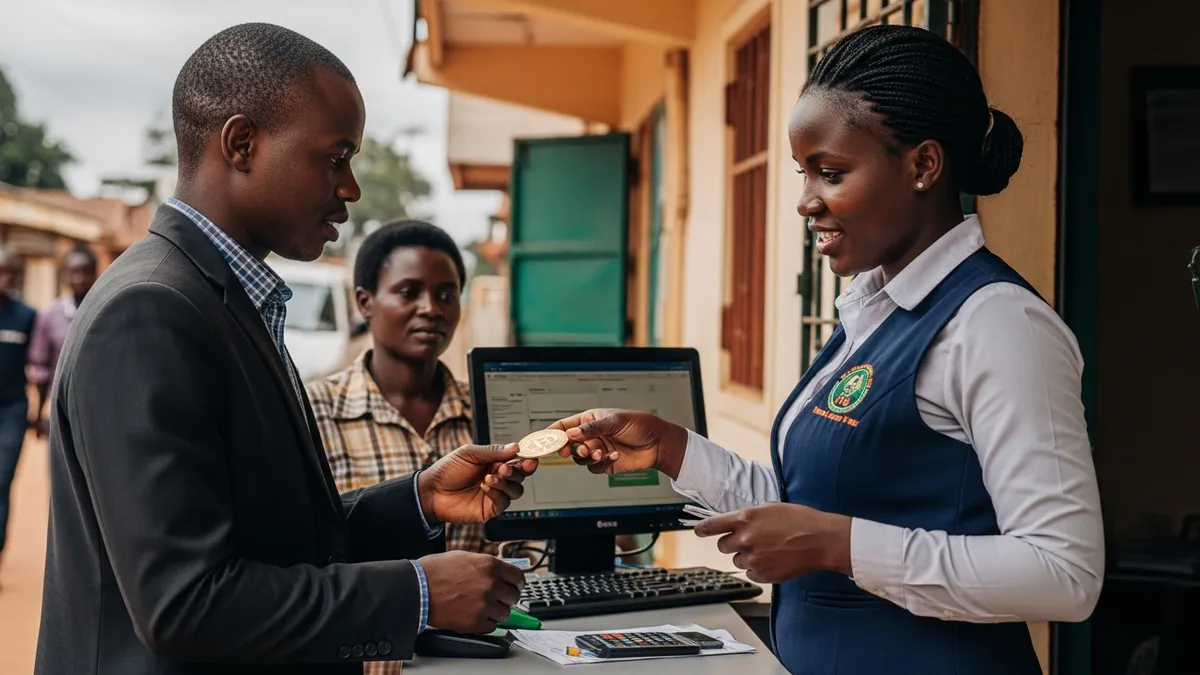
Customer Support
Providing excellent customer support is essential for retaining users and building a strong reputation. Offer multiple channels for customer support, including:
- Phone
- Live chat
- Social media
Train your customer support team to handle cryptocurrency-related inquiries and resolve issues promptly. Provide support in local languages to cater to a wider audience.
Scaling Your Exchange
Scaling your exchange requires careful planning and execution. Focus on improving efficiency, expanding your product offerings, and entering new markets.
Improving Efficiency
Automate processes to reduce operational costs and improve efficiency. Implement robust monitoring systems to identify and resolve issues quickly. Optimize your infrastructure to handle a growing number of users and transactions.
Expanding Product Offerings
Offer a wider range of cryptocurrencies and trading pairs to attract more users. Consider adding new features such as:
- Margin trading
- Futures trading
- Staking
Strategic Partnerships
Form strategic partnerships with other businesses in the Ugandan ecosystem. This could include partnerships with mobile money providers, banks, and fintech companies. These partnerships can help you expand your reach and offer new services to your users.
Challenges and Risks
Starting a crypto exchange in Uganda comes with several challenges and risks. Be prepared to address these challenges and mitigate the risks.
Regulatory Uncertainty
The regulatory environment for cryptocurrency in Uganda is still evolving. Be prepared for potential regulatory changes that could impact your business. Stay informed about the latest developments and engage with regulators to advocate for a favorable regulatory framework.
Security Threats
Cryptocurrency exchanges are prime targets for hackers. Implement robust security measures to protect your platform from cyberattacks. Regularly audit your security systems and stay up-to-date on the latest security threats.
Market Volatility
Cryptocurrency prices are highly volatile. This volatility can impact your trading volumes and revenue. Implement risk management strategies to mitigate the impact of market volatility.
Competition
The cryptocurrency exchange market is becoming increasingly competitive. Differentiate yourself by offering unique features, competitive fees, and excellent customer service. Focus on building a strong brand and reputation.
Financial Projections
Creating financial projections is crucial for securing investment and managing your business effectively. This includes estimating start-up costs, projecting revenue, and forecasting profitability.
Start-up Costs
Estimate the costs associated with setting up your crypto exchange. This includes:
- Technology development
- Legal and compliance fees
- Marketing expenses
- Operational costs
Revenue Projections
Project your revenue based on your estimated trading volumes and fee structure. Consider different scenarios and adjust your projections accordingly.
Profitability Forecast
Forecast your profitability based on your revenue projections and cost estimates. Identify key drivers of profitability and monitor them closely.
Compliance and Legal Considerations
Ensuring compliance with all applicable laws and regulations is crucial for the long-term success of your crypto exchange. This includes adhering to AML/KYC regulations, obtaining necessary licenses, and complying with data privacy laws.
Data Privacy
Comply with data privacy laws such as the Data Protection and Privacy Act 2019 in Uganda. Protect the personal data of your users and be transparent about how you collect, use, and share their data. Implement robust data security measures to prevent data breaches.
Legal Advice
Seek legal advice from experienced lawyers who specialize in cryptocurrency and financial regulations in Uganda. They can help you navigate the complex legal landscape and ensure that you are in compliance with all applicable laws and regulations.
Here's a table comparing potential cryptocurrency exchange platforms to consider when starting your exchange in Uganda:
| Platform | Key Features | Security | Cost |
|---|---|---|---|
| Coinbase Pro | Advanced trading tools, API access | Multi-factor authentication, cold storage | Relatively high transaction fees |
| Binance | Wide range of cryptocurrencies, high liquidity | Cold storage, two-factor authentication | Competitive transaction fees |
| Kraken | Margin trading, futures trading | Cold storage, two-factor authentication | Moderate transaction fees |
Here’s a table illustrating potential operational costs for running a crypto exchange in Uganda, expressed in UGX:
| Expense | Estimated Monthly Cost (UGX) |
|---|---|
| Office Rent | 1,500,000 - 3,000,000 |
| Salaries (5 Employees) | 5,000,000 - 10,000,000 |
| Internet & Utilities | 500,000 - 1,000,000 |
| Marketing & Advertising | 1,000,000 - 5,000,000 |
| Legal & Compliance | 500,000 - 2,000,000 |
| Security Infrastructure | 1,000,000 - 3,000,000 |
Here's a comparison of mobile money transaction fees in Uganda (estimates):
| Provider | Deposit Fee (%) | Withdrawal Fee (%) |
|---|---|---|
| MTN Mobile Money | 0.5 - 1.0 | 1.0 - 1.5 |
| Airtel Money | 0.5 - 1.0 | 1.0 - 1.5 |
Conclusion
Starting a crypto exchange in Uganda in 2026 presents both significant opportunities and challenges. By understanding the Ugandan market, navigating the regulatory landscape, building a secure technical infrastructure, and implementing a sustainable business model, you can increase your chances of success. Focus on mobile money integration, user education, and building trust to overcome the unique challenges of the Ugandan market. Remember to prioritize compliance and security to protect your users and your business.
While the regulatory environment is still developing, proactive engagement with regulators and adherence to best practices can help you stay ahead of the curve. With careful planning and execution, you can build a thriving crypto exchange in Uganda and contribute to the growth of the digital economy.
For Ugandans looking to venture into the crypto exchange business, thorough research, a strong focus on security, and adaptability to the evolving regulatory landscape are crucial for success.
FAQ
What are the main regulatory challenges for crypto exchanges in Uganda?
The main challenges include the lack of specific crypto regulations, the need to comply with existing financial regulations (AML/KYC), and the uncertainty surrounding future regulatory changes. It's crucial to stay updated on the Bank of Uganda's guidelines and engage with regulators.
How important is mobile money integration for a crypto exchange in Uganda?
Mobile money integration is extremely important. Uganda has a high mobile money penetration rate, and most people use mobile money for daily transactions. Your exchange needs to seamlessly integrate with mobile money platforms like MTN Mobile Money and Airtel Money to facilitate deposits and withdrawals.
What security measures are essential for a crypto exchange in Uganda?
Essential security measures include multi-factor authentication, cold storage for the majority of funds, regular security audits, penetration testing, and robust monitoring systems. Protecting user data and preventing cyberattacks is paramount.
What are the key factors for user acquisition in the Ugandan market?
Key factors include building trust through transparency and excellent customer service, educating the public about cryptocurrency risks and benefits, offering competitive fees, and utilizing a mix of online and offline marketing channels. Focus on reaching the unbanked population through mobile money integration and community outreach programs.
How can a crypto exchange scale its operations in Uganda?
Scaling involves improving efficiency through automation, expanding product offerings with new cryptocurrencies and features, forming strategic partnerships with local businesses, and entering new markets. Focus on building a scalable infrastructure and optimizing your operations for growth.
Find more information about cryptocurrency Bitcoin mining and blockchain technology on Wikipedia.
Learn more about the Bank of Uganda's role in financial regulation on their official website: Bank of Uganda.