
Launching a Crypto Exchange in Ghana: The White Label Advantage
Ghana's digital landscape is rapidly evolving, with increasing interest in cryptocurrencies. In Accra's bustling markets and tech hubs, more Ghanaians are exploring digital assets like Bitcoin. This creates a significant opportunity for entrepreneurs looking to launch their own crypto exchanges. A white label solution offers a faster, more cost-effective way to enter this exciting market. Imagine providing a platform for Ghanaians to easily trade crypto using GHS, directly from their mobile money accounts. This is the power of a localized crypto exchange.

A white label crypto exchange is a pre-built, customizable platform that you can brand and launch as your own. This approach bypasses the complexities and high costs of developing an exchange from scratch. Instead, you focus on marketing, customer acquisition, and providing excellent service to Ghanaian users.
Key Takeaways
- White label solutions offer a fast and cost-effective way to launch a crypto exchange in Ghana.
- Understanding Ghanaian regulations and user preferences is crucial for success.
- Focus on mobile money integration and GHS trading pairs to cater to the local market.
- Marketing and customer support are key differentiators in a competitive landscape.
- Due diligence on white label providers is essential to ensure platform security and reliability.
Why Choose a White Label Solution for Ghana?
Building a crypto exchange from the ground up is a monumental task, requiring significant technical expertise, time, and capital. For entrepreneurs in Ghana, a white label solution offers several key advantages:
- Reduced Development Time: Launch your exchange in weeks or months, not years.
- Lower Costs: Avoid the expensive overhead of hiring a development team.
- Proven Technology: Benefit from a platform that has been tested and refined.
- Customization: Tailor the platform to your brand and target market in Ghana.
- Focus on Business: Concentrate on marketing, customer acquisition, and compliance.
Consider the alternative: hiring developers, navigating complex blockchain technologies, and dealing with security vulnerabilities. A white label solution allows you to bypass these hurdles and focus on building your business and serving the Ghanaian market.
Ghana-Specific Benefits
Ghana presents unique opportunities and challenges for crypto exchanges. A white label solution can be customized to address these specific needs:
- Mobile Money Integration: Integrate with popular mobile money services like MTN Mobile Money and Vodafone Cash to facilitate easy deposits and withdrawals in GHS.
- GHS Trading Pairs: Offer direct trading pairs between GHS and major cryptocurrencies like Bitcoin and Ethereum.
- Local Language Support: Provide customer support and platform interfaces in local languages like Twi and Ga.
- Compliance with Regulations: Ensure the platform complies with all relevant Ghanaian regulations regarding financial services and cryptocurrency.
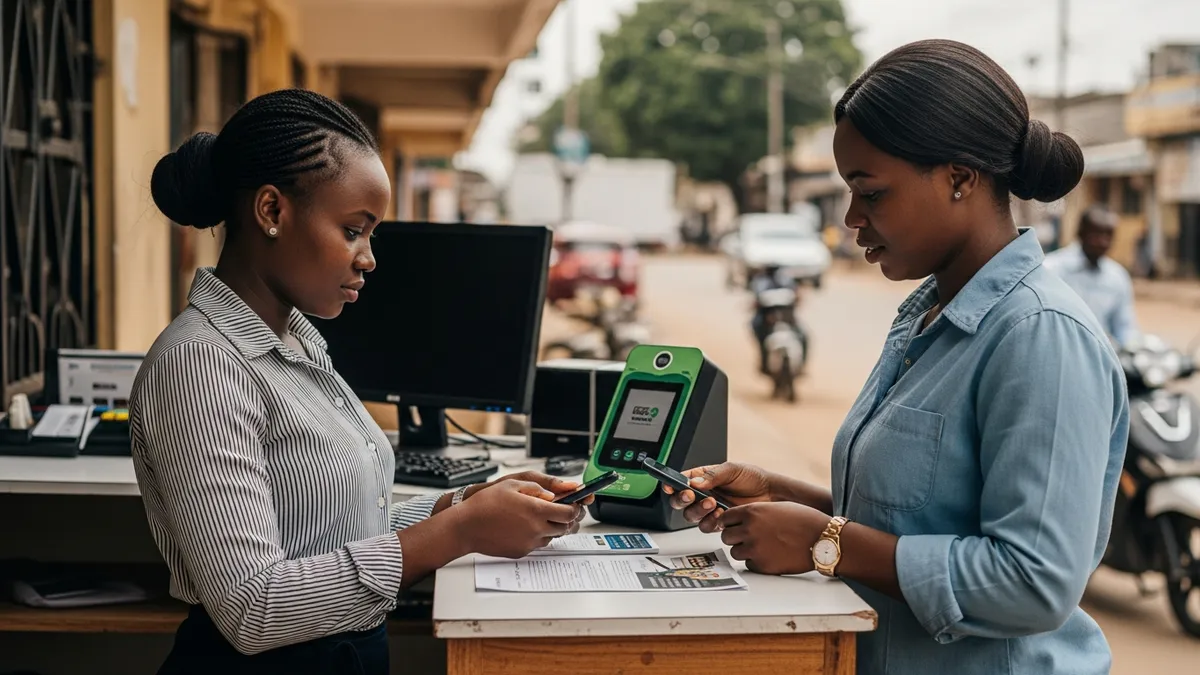
Key Features of a White Label Crypto Exchange
When choosing a white label solution for your crypto exchange in Ghana, consider these essential features:
- Security: Robust security measures, including two-factor authentication, cold storage, and regular security audits.
- Trading Engine: A high-performance trading engine that can handle a large volume of transactions.
- User Interface: A user-friendly interface that is easy to navigate for both beginners and experienced traders.
- KYC/AML Compliance: Automated Know Your Customer (KYC) and Anti-Money Laundering (AML) processes to comply with regulations.
- Payment Gateway Integration: Seamless integration with local payment gateways for GHS deposits and withdrawals.
- Customer Support: Reliable customer support channels, including email, phone, and live chat.
These features are crucial for providing a secure, reliable, and user-friendly experience for your customers in Ghana. A poorly designed or insecure platform can quickly damage your reputation and lead to customer churn.
Comparing White Label Providers
The white label crypto exchange market has multiple providers. Here's a comparison table to help you evaluate based on critical factors for the Ghanaian market:
| Provider | Mobile Money Integration | GHS Trading Pairs | KYC/AML Compliance | Estimated Setup Cost (USD) |
|---|---|---|---|---|
| AlphaPoint | Yes (Custom) | Yes | Yes | 50,000 - 150,000 |
| HollaEx | Yes (via API) | Yes | Yes | 10,000 - 50,000 |
| OpenDAX | No (Requires Integration) | Yes | Yes | 20,000 - 80,000 |
Navigating Regulations in Ghana
The regulatory landscape for cryptocurrencies in Ghana is still evolving. The Bank of Ghana has issued warnings about the risks associated with cryptocurrencies, but there is no comprehensive legal framework in place yet. It’s crucial to stay updated on the latest regulatory developments and consult with legal experts to ensure compliance.
Currently, financial institutions in Ghana are restricted from dealing in cryptocurrencies. However, this doesn't prevent individuals from trading or using crypto exchanges. As regulations evolve, exchanges operating in Ghana will likely need to obtain licenses and comply with KYC/AML requirements.
Steps to Ensure Compliance
- Stay Informed: Monitor announcements from the Bank of Ghana and other relevant regulatory bodies.
- Consult Legal Experts: Seek advice from lawyers specializing in cryptocurrency regulations in Ghana.
- Implement KYC/AML Procedures: Implement robust KYC/AML procedures to verify customer identities and prevent money laundering.
- Transparency: Be transparent with your customers about the risks associated with cryptocurrencies.
Operating a crypto exchange in a compliant manner is essential for building trust with your customers and avoiding legal issues. Failure to comply with regulations can result in fines, penalties, and even the closure of your business.
Marketing Your Crypto Exchange in Ghana
Once your white label exchange is ready, you need to attract customers. Effective marketing is crucial for success in the competitive Ghanaian market. Consider these strategies:
- Digital Marketing: Use social media, search engine optimization (SEO), and online advertising to reach potential customers.
- Community Building: Engage with the local cryptocurrency community through meetups, events, and online forums.
- Partnerships: Partner with local businesses and influencers to promote your exchange.
- Referral Programs: Offer incentives for existing customers to refer new users.
- Education: Provide educational resources to help Ghanaians understand cryptocurrencies and how to use your exchange.
Focus on building trust and credibility with your target audience. Highlight the benefits of your exchange, such as its ease of use, security, and integration with mobile money services. Consider running targeted ads on Facebook and Instagram, showcasing real Ghanaians using your platform. A strong focus on customer support and education can significantly improve user adoption.
Cost of Launching a Crypto Exchange in Ghana
Launching a crypto exchange involves multiple costs. Here's a breakdown:
| Cost Item | Estimated Cost (USD) |
|---|---|
| White Label Platform Setup | 10,000 - 150,000 |
| Legal and Compliance | 5,000 - 10,000 (Ongoing) |
| Marketing and Advertising | 5,000 - 20,000 (Monthly) |
| Customer Support | 2,000 - 5,000 (Monthly) |
| Operational Costs (Server, etc.) | 1,000 - 3,000 (Monthly) |
Conclusion
Launching a crypto exchange in Ghana using a white label solution presents a significant opportunity for entrepreneurs. By leveraging a pre-built platform, you can bypass the complexities of development and focus on building a successful business. However, success requires a deep understanding of the Ghanaian market, compliance with local regulations, and effective marketing strategies. Focus on integrating with mobile money services, providing GHS trading pairs, and offering excellent customer support to gain a competitive edge. With careful planning and execution, you can establish a thriving crypto exchange that serves the needs of Ghanaians and contributes to the growth of the digital economy.
Is starting a crypto exchange right for you? If you are passionate about cryptocurrency, understand the Ghanaian market, and are committed to providing a secure and user-friendly platform, then the answer is likely yes. Remember to prioritize compliance, security, and customer satisfaction to build a sustainable and successful business. And don't forget, it is important to conduct your own research before investing in a crypto exchange.
FAQ
Is cryptocurrency legal in Ghana?
Currently, there's no specific law regulating cryptocurrencies in Ghana. The Bank of Ghana has issued warnings about the risks, but individuals aren't prohibited from trading. However, financial institutions are restricted from dealing in them. It's crucial to stay updated on regulatory developments.
What are the main challenges of launching a crypto exchange in Ghana?
Key challenges include navigating the evolving regulatory landscape, competing with established exchanges, building trust with users, and integrating with local payment systems like mobile money. Marketing and customer education are also crucial.
How much capital do I need to start a crypto exchange in Ghana?
The amount varies, but expect to spend between $10,000 to $150,000 USD initially for a white-label solution, plus ongoing costs for marketing, compliance, and customer support. A detailed business plan is essential for securing funding and managing expenses. You can also look into Bitcoin mining to secure your own currency to trade with.
Which mobile money platforms should I integrate with?
Focus on integrating with the most popular mobile money platforms in Ghana, such as MTN Mobile Money, Vodafone Cash, and AirtelTigo Money. These platforms are widely used for transactions and will make it easier for Ghanaians to deposit and withdraw funds from your exchange. Learn more about mobile money.
How do I ensure the security of my crypto exchange?
Implement robust security measures, including two-factor authentication (2FA), cold storage for the majority of funds, regular security audits by reputable firms, and encryption of sensitive data. Educate your users about security best practices to prevent phishing and other scams. Check out this source to learn more about cryptocurrency.