
Key Takeaways
- Starting a crypto exchange in Ghana requires navigating complex regulations and securing necessary licenses.
- Mobile money integration is crucial for accessibility, given its widespread use in Ghana.
- Building trust and ensuring security are paramount to attracting and retaining users.
- Scaling requires strategic partnerships, marketing, and continuous innovation.
- Understanding the local market dynamics and user preferences is essential for success.
How to Start a Crypto Exchange in Ghana in 2026: A Comprehensive Guide
Ghana's fintech sector is booming, and cryptocurrency is gaining traction. If you're considering starting a crypto exchange in Ghana in 2026, you're entering a market with potential, but also with unique challenges. Did you know that mobile money transactions in Ghana reached over GHS 560 billion in 2023? This highlights the importance of mobile money integration for any successful crypto venture.
This guide provides a step-by-step approach to launching your exchange, covering legal considerations, technical aspects, marketing strategies, and scaling tips, all tailored to the Ghanaian context.
Understanding the Ghanaian Crypto Landscape
Before diving in, it's crucial to understand the current state of cryptocurrency in Ghana. While the Bank of Ghana has not explicitly banned cryptocurrencies, it has issued warnings about the risks associated with them. The regulatory landscape is still evolving, so staying informed is critical.
Currently, there aren't specific laws governing crypto exchanges. However, existing regulations related to anti-money laundering (AML) and combating the financing of terrorism (CFT) apply. You'll need to comply with these regulations to operate legally.
Step 1: Legal and Regulatory Compliance
Navigating the legal landscape is the first and most crucial step. Here’s what you need to do:
- Consult with Legal Experts: Engage lawyers specializing in fintech and cryptocurrency regulations in Ghana.
- AML/CFT Compliance: Implement robust AML/CFT policies and procedures. This includes KYC (Know Your Customer) verification for all users.
- Data Protection: Comply with Ghana's data protection laws to safeguard user data.
- Licensing: While specific crypto exchange licenses may not exist yet, explore relevant licenses related to financial services or payment systems.
Step 2: Business Planning and Market Research
A solid business plan is essential for attracting investors and guiding your operations. Your plan should include:
- Market Analysis: Identify your target audience, their needs, and the competitive landscape.
- Value Proposition: Define what makes your exchange unique. Will you offer lower fees, a wider range of cryptocurrencies, or specialized services?
- Revenue Model: How will you generate revenue? Common models include trading fees, withdrawal fees, and listing fees.
- Financial Projections: Develop realistic financial forecasts, including startup costs, operating expenses, and revenue projections.
Step 3: Technology Infrastructure
Your technology infrastructure is the backbone of your exchange. It needs to be secure, reliable, and scalable.
- Exchange Platform: You have two options: build your own platform or use a white-label solution. Building your own offers more customization, but it's also more expensive and time-consuming. White-label solutions are faster to deploy but may have limitations.
- Security Measures: Implement robust security measures to protect against hacking and fraud. This includes:
- Two-factor authentication (2FA)
- Cold storage for the majority of funds
- Regular security audits
- Penetration testing
- Payment Gateway Integration: Integrate with mobile money providers like MTN Mobile Money and Vodafone Cash, as well as local banks, to facilitate deposits and withdrawals.
- Scalability: Ensure your platform can handle increasing transaction volumes as your user base grows.
Step 4: Building a User-Friendly Platform
A user-friendly platform is key to attracting and retaining users. Focus on:
- Intuitive Interface: Design a clean and easy-to-navigate interface.
- Mobile Accessibility: Optimize your platform for mobile devices, as many Ghanaians access the internet via their phones.
- Customer Support: Provide excellent customer support through multiple channels, including phone, email, and live chat.
- Educational Resources: Offer educational resources to help users understand cryptocurrency and how to use your platform.
Step 5: Marketing and User Acquisition
Effective marketing is essential for attracting users to your exchange. Consider these strategies:
- Digital Marketing: Use social media, search engine optimization (SEO), and online advertising to reach your target audience.
- Partnerships: Partner with local businesses, influencers, and community organizations to promote your exchange.
- Referral Programs: Implement a referral program to incentivize existing users to refer new users.
- Community Engagement: Participate in local cryptocurrency communities and events.
Step 6: Security and Trust
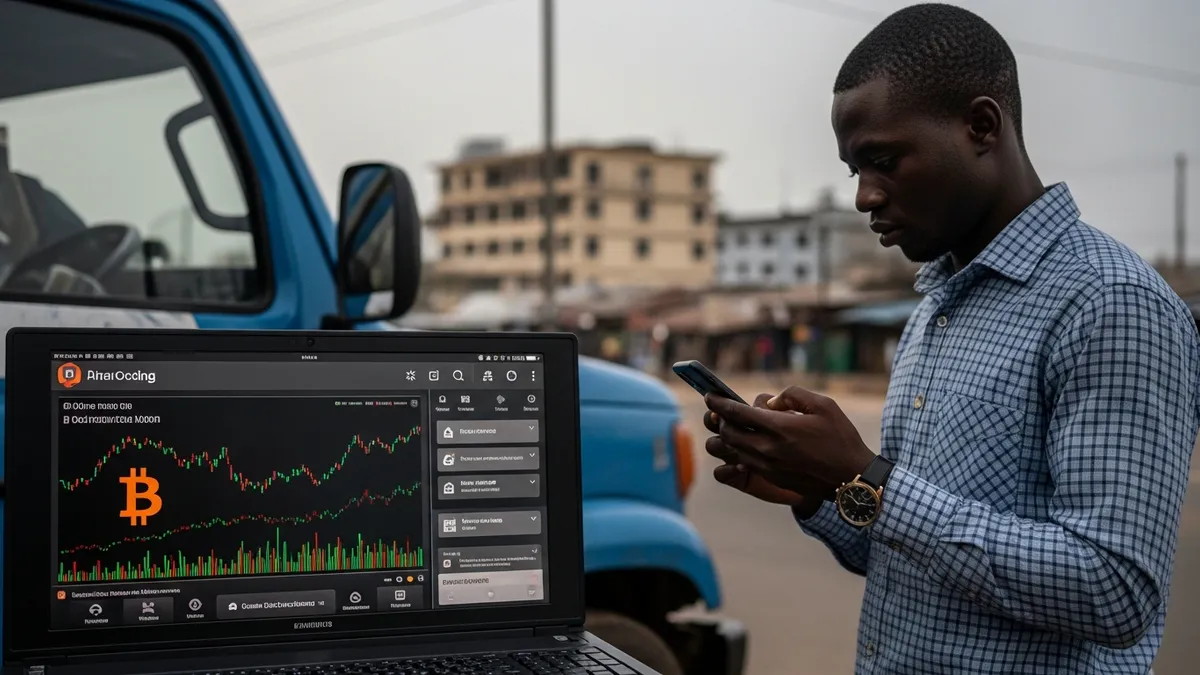
Trust is paramount in the cryptocurrency world. To build trust with your users, you need to prioritize security and transparency.
- Transparency: Be transparent about your fees, policies, and security measures.
- Insurance: Consider insuring your exchange against theft or hacking.
- Compliance: Demonstrate your commitment to regulatory compliance.
- Communication: Communicate proactively with your users about any security incidents or issues.
Step 7: Scaling Your Exchange
Once you've launched your exchange, you'll need to focus on scaling your operations to meet growing demand.
- Infrastructure Upgrades: Continuously upgrade your technology infrastructure to handle increasing transaction volumes.
- Team Expansion: Hire additional staff to support your growing user base.
- New Features: Add new features and services to attract and retain users.
- Geographic Expansion: Consider expanding your operations to other regions in Ghana or other African countries.
Challenges of Starting a Crypto Exchange in Ghana
Starting a crypto exchange in Ghana comes with its own set of challenges:
- Regulatory Uncertainty: The regulatory landscape is still evolving, which can create uncertainty for businesses.
- Limited Awareness: Cryptocurrency awareness is still relatively low in Ghana.
- Security Concerns: Security breaches can damage trust and deter users.
- Competition: The crypto exchange market is becoming increasingly competitive.
- Infrastructure Limitations: Access to reliable internet and electricity can be a challenge in some areas of Ghana.
Scaling Tips for Your Crypto Exchange
To scale your crypto exchange successfully, consider these tips:
- Focus on Mobile: Optimize your platform for mobile devices, as this is how most Ghanaians access the internet.
- Integrate with Mobile Money: Mobile money is the dominant payment method in Ghana, so integration is essential.
- Build Trust: Prioritize security, transparency, and customer support to build trust with your users.
- Educate Your Users: Provide educational resources to help users understand cryptocurrency and how to use your platform.
- Innovate: Continuously innovate and add new features to stay ahead of the competition.
Costs Associated with Starting a Crypto Exchange
Starting a crypto exchange involves various costs. Here's a breakdown:
- Technology Development: This includes the cost of building or licensing your exchange platform.
- Legal and Compliance: Legal fees, licensing fees, and compliance costs.
- Marketing: Marketing and advertising expenses.
- Operations: Salaries, rent, utilities, and other operating expenses.
- Security: Security infrastructure and insurance costs.
Mobile Money Integration: A Key to Success
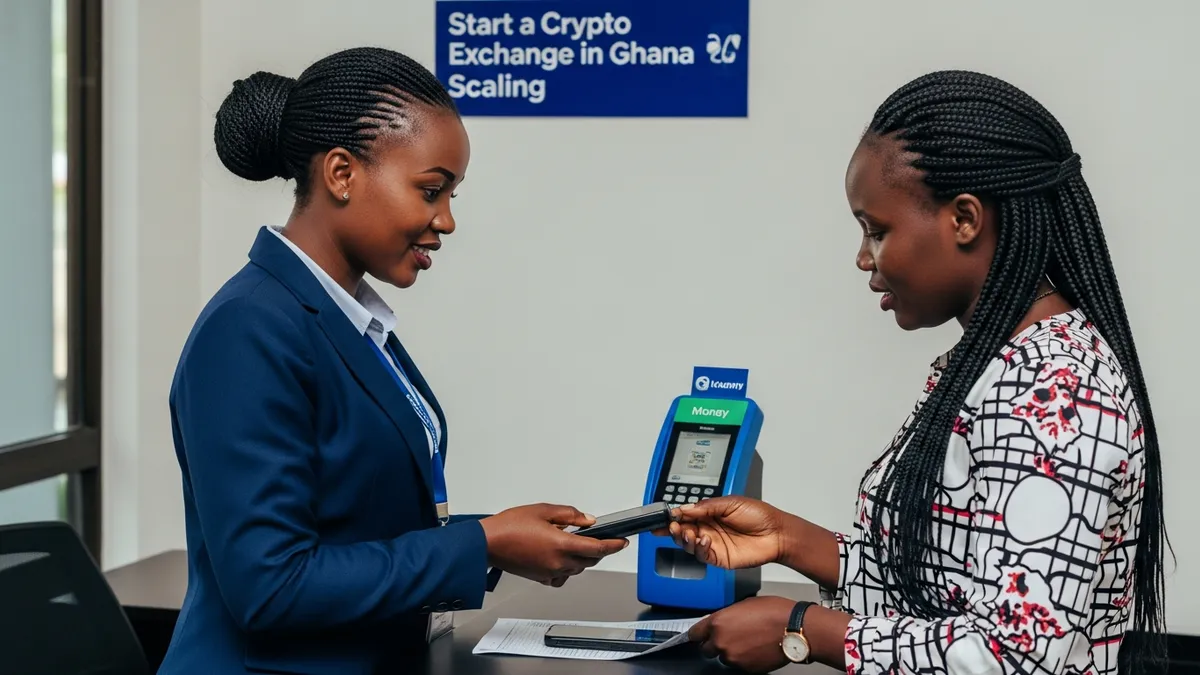
Mobile money is a game-changer in Ghana's financial landscape. Integrating with platforms like MTN Mobile Money and Vodafone Cash is not just an option; it's a necessity. It allows users to easily deposit and withdraw funds, making your exchange accessible to a wider audience.
Choosing the Right Technology Partner
Selecting the right technology partner is crucial. Look for a provider with experience in building secure and scalable crypto exchange platforms. They should also offer integration with local payment systems and provide ongoing support.
The Importance of Community Engagement
Engaging with the local cryptocurrency community is essential for building brand awareness and gaining valuable feedback. Attend local events, participate in online forums, and sponsor community initiatives.
Ghanaian Cryptocurrency Regulations in Detail
While Ghana doesn't have specific cryptocurrency regulations, several existing laws apply to crypto exchanges. These include:
- Anti-Money Laundering Act: This act requires financial institutions to implement AML/CFT policies and procedures.
- Data Protection Act: This act governs the collection, use, and storage of personal data.
- Electronic Transactions Act: This act provides a legal framework for electronic transactions.
Future Trends in the Ghanaian Crypto Market
The Ghanaian crypto market is expected to continue to grow in the coming years. Some key trends to watch include:
- Increased Adoption: As awareness of cryptocurrency grows, adoption is likely to increase.
- Regulatory Clarity: The government may introduce specific regulations for cryptocurrency in the future.
- Institutional Investment: Institutional investors may start to enter the Ghanaian crypto market.
- Innovation: New cryptocurrency products and services are likely to emerge.
Comparing Crypto Exchange Options in Ghana (Hypothetical)
Since there are not any fully regulated crypto exchanges in Ghana to compare. We will use popular international exchanges that operate in Ghana
| Exchange | Trading Fees | Mobile Money Integration | Cryptocurrencies Supported |
|---|---|---|---|
| Binance | 0.1% | Yes | 350+ |
| Coinbase | 0.5% | No | 150+ |
| Kraken | 0.16% | No | 100+ |
Disclaimer: This table shows hypothetical data for popular international exchanges. Actual fees and features may vary.
Security Best Practices for Ghanaian Crypto Users
To protect your cryptocurrency investments, follow these security best practices:
- Use Strong Passwords: Use strong, unique passwords for your exchange accounts and email accounts.
- Enable Two-Factor Authentication (2FA): Enable 2FA on all your accounts.
- Store Funds in Cold Storage: Store the majority of your funds in cold storage.
- Be Wary of Phishing Scams: Be cautious of phishing emails and websites.
- Keep Your Software Up to Date: Keep your operating system and antivirus software up to date.
The Role of Blockchain Technology in Ghana's Future
Blockchain technology has the potential to revolutionize various industries in Ghana, including finance, healthcare, and supply chain management. By starting a crypto exchange, you can contribute to the growth of the blockchain ecosystem in Ghana.
Understanding Transaction Fees
Transaction fees are a critical aspect of any crypto exchange. It's essential to understand how these fees work and how they can impact your trading activity. Exchanges charge fees for various activities, including:
- Trading Fees: Charged when you buy or sell cryptocurrency.
- Withdrawal Fees: Charged when you withdraw cryptocurrency from your exchange account.
- Deposit Fees: Some exchanges may charge fees for depositing cryptocurrency into your account.
Leveraging Social Media for Growth
Social media is a powerful tool for promoting your crypto exchange and engaging with your target audience. Use platforms like Facebook, Twitter, and Instagram to share updates, announce new features, and educate your users about cryptocurrency.
Customer Support Strategies for Ghanaian Users
Providing excellent customer support is essential for building trust and retaining users. Consider these strategies:
- Offer Multiple Channels: Provide support through phone, email, live chat, and social media.
- Respond Quickly: Respond to customer inquiries promptly.
- Be Knowledgeable: Ensure your support staff is knowledgeable about cryptocurrency and your platform.
- Be Empathetic: Be empathetic to your users' concerns and try to resolve their issues effectively.
| Feature | Description | Importance for Ghana |
|---|---|---|
| Mobile Money Integration | Allows users to deposit and withdraw funds using mobile money. | Critical - Mobile money is the dominant payment method in Ghana. |
| Low Transaction Fees | Keeps trading costs down for users. | High - Price sensitivity is common among Ghanaian users. |
| User-Friendly Interface | Makes the platform easy to use for both beginners and experienced traders. | High - Many Ghanaians are new to cryptocurrency. |
| Security Measures | Protects user funds from hacking and theft. | Critical - Security is a major concern for cryptocurrency users. |
The Future of Cryptocurrency in Ghana
Cryptocurrency has the potential to transform Ghana's financial landscape. By starting a crypto exchange, you can play a key role in shaping this future. The adoption of digital currencies in Ghana is expected to increase, driven by factors such as:
- Financial Inclusion: Cryptocurrency can provide access to financial services for the unbanked population.
- Remittances: Cryptocurrency can facilitate cheaper and faster remittances.
- Investment Opportunities: Cryptocurrency can provide new investment opportunities for Ghanaians.
According to a recent report, Ghana has one of the highest cryptocurrency adoption rates in Africa. This indicates a strong interest in digital currencies among Ghanaians.
Compliance with International Standards
In addition to complying with Ghanaian regulations, it's also important to comply with international standards, such as those set by the Financial Action Task Force (FATF). This will help you attract international investors and partners.
.
Remember to consult with legal and financial professionals to ensure you are fully compliant with all applicable regulations.
The Importance of Education
Educating the public about cryptocurrency is crucial for driving adoption and preventing scams. Partner with local organizations and influencers to conduct educational workshops and seminars.
Partnering with Local Banks and Financial Institutions
Building relationships with local banks and financial institutions can help you gain access to funding and expand your reach. Explore potential partnerships with these institutions.
Ghana is a country that is rich with culture, and opportunity. As you launch your exchange, take the time to learn more about the Ghanaian Cedi, and Bitcoin mining. The future of crypto is bright.
Final Thoughts
Starting a crypto exchange in Ghana in 2026 is a challenging but potentially rewarding venture. By understanding the local market, complying with regulations, building a secure platform, and focusing on user experience, you can increase your chances of success. Remember to stay informed about the evolving regulatory landscape and adapt your strategies accordingly.
Disclaimer: The information provided in this guide is for informational purposes only and does not constitute legal or financial advice. Consult with qualified professionals before making any business decisions.
Conclusion
Launching a crypto exchange in Ghana requires careful planning, a deep understanding of the local market, and a commitment to compliance and security. While challenges exist, the potential rewards are significant. By following the steps outlined in this guide and adapting to the evolving landscape, you can position yourself for success in Ghana's growing crypto market. We recommend focusing on mobile money integration and building trust through transparency and security.
FAQ
Here are some frequently asked questions about starting a crypto exchange in Ghana:
What licenses do I need to operate a crypto exchange in Ghana?
Currently, there are no specific licenses for crypto exchanges in Ghana. However, you may need to comply with existing regulations related to financial services or payment systems. Consult with legal experts to determine the necessary licenses.
How important is mobile money integration for a crypto exchange in Ghana?
Mobile money integration is extremely important. It's the dominant payment method in Ghana, and integrating with platforms like MTN Mobile Money and Vodafone Cash is essential for accessibility.
What are the main challenges of starting a crypto exchange in Ghana?
The main challenges include regulatory uncertainty, limited awareness of cryptocurrency, security concerns, competition, and infrastructure limitations.
How can I build trust with users in Ghana?
You can build trust by prioritizing security, transparency, and customer support. Be transparent about your fees, policies, and security measures. Also, provide excellent customer support through multiple channels.
What is the future of cryptocurrency in Ghana?
The future of cryptocurrency in Ghana is promising. Adoption is expected to increase, driven by factors such as financial inclusion, remittances, and investment opportunities. The government may also introduce specific regulations for cryptocurrency in the future.
External Resources: Ghana Wikipedia
External Resources: Bank of International Settlements